Coffee lovers around the world enjoy a freshly brewed cup of joe to kickstart their day or savor during their leisure time. However, sometimes coffee can taste bitter and unpleasant, leaving you wondering if it’s burnt. Understanding the signs of burnt coffee can help you ensure a delightful coffee-drinking experience. In this article, we will explore various indicators that can help you determine if your coffee is burnt, as well as provide tips on how to prevent it. So grab a mug, sit back, and let’s dive into the world of coffee!
1. Introduction
Coffee is a complex beverage with a wide range of flavors and aromas that depend on various factors, including the quality of beans, brewing methods, and the roasting process. Burnt coffee occurs when the beans are exposed to excessive heat during roasting, resulting in undesirable flavors and bitterness.
2. The Science Behind Coffee Roasting
Coffee beans undergo a roasting process that brings out their unique flavors. During roasting, the beans go through chemical changes, including caramelization and the Maillard reaction, which create the characteristic flavors and aromas of coffee. However, if the beans are roasted for too long or at high temperatures, they can become burnt.
3. Signs of Burnt Coffee
3.1 Aroma and Smell
One of the telltale signs of burnt coffee is the aroma. Burnt coffee emits a strong, acrid smell that is far from the pleasant and inviting scent of freshly roasted coffee. If you notice a pungent and unpleasant odor resembling burnt toast or charcoal, it’s a clear indication that your coffee is burnt.
3.2 Color and Appearance
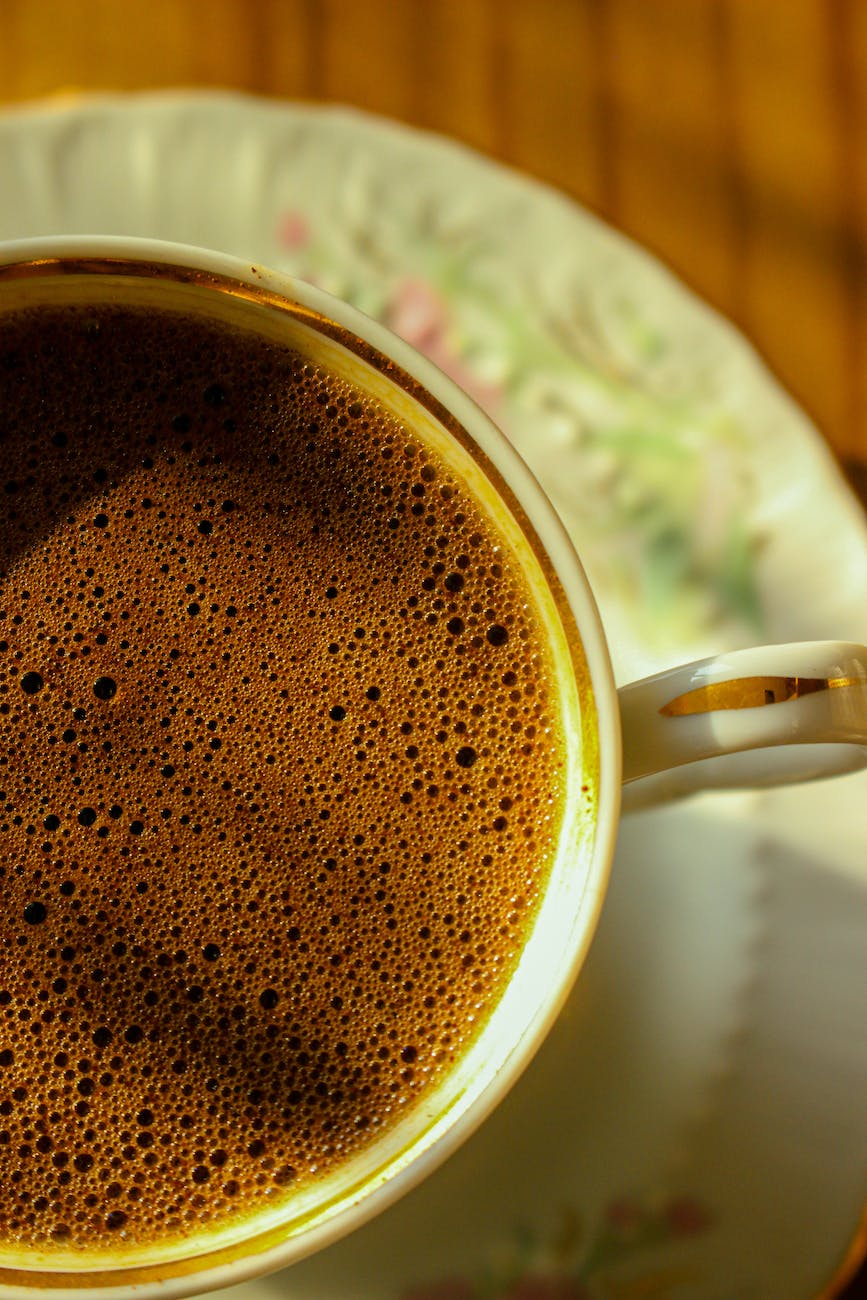
Examining the color and appearance of your coffee can also provide clues about its roast level. Burnt coffee beans are generally darker in color, often bordering on black. When brewed, burnt coffee may appear excessively dark, almost opaque. Additionally, the surface of the coffee might have an oily sheen, indicating over-roasting.
3.3 Taste and Flavor
Perhaps the most apparent sign of burnt coffee is the taste. Burnt coffee often tastes bitter, harsh, and smoky, overpowering the natural flavors of the beans. Instead of a rich and nuanced taste profile, you may experience a burnt or charcoal-like aftertaste, leaving your palate unsatisfied.
4. Factors Leading to Burnt Coffee
Understanding the factors that contribute to burnt coffee can help you avoid this unpleasant outcome. Here are some key factors to consider:
4.1 Overheating during Roasting
If coffee beans are subjected to high temperatures for an extended period, they can become burnt. Roasting coffee requires careful temperature control to achieve the desired roast level without crossing the line into burnt territory.
4.2 Prolonged Exposure to Heat
After roasting, coffee beans should be cooled down promptly to prevent further exposure to heat. Prolonged exposure can cause the beans to become overcooked and burnt, resulting in a degraded flavor profile.
4.3 Storing Coffee Improperly
Improper storage can also lead to burnt coffee. Coffee beans should be stored in airtight containers away from light, heat, and moisture. When exposed to these elements, the beans can deteriorate, leading to a burnt taste.
5. Prevention Techniques
To ensure you enjoy a well-balanced and flavorful cup of coffee, here are some prevention techniques to consider:
5.1 Roasting Temperature Control
When roasting coffee beans, closely monitor the temperature to avoid overheating. Different beans have varying optimal roasting temperatures, so it’s crucial to adjust accordingly.
5.2 Roasting Time Management
Manage the duration of the roasting process carefully. Roasting for too long can result in burnt flavors, while roasting for too short a time may leave the beans underdeveloped.
5.3 Proper Coffee Storage
Store your coffee beans correctly to preserve their freshness. Invest in airtight containers and keep them in a cool, dark place, away from moisture and excessive heat.
6. Conclusion
Coffee lovers appreciate the nuances and complexities of a perfectly brewed cup. By being aware of the signs of burnt coffee and implementing preventative measures, you can ensure a delightful coffee experience every time. Remember to pay attention to the aroma, color, and taste of your coffee, and take proactive steps to avoid overheating and improper storage. Enjoy the journey of exploring different coffee flavors while steering clear of burnt coffee!
FAQs
Q1. Can burnt coffee be salvaged?
Yes, in some cases, you can salvage burnt coffee by diluting it with hot water or adding a small amount of milk or cream to counteract the bitterness. However, prevention is always better than trying to salvage burnt coffee.
Q2. Is it normal for coffee beans to be dark?
Yes, coffee beans can vary in roast levels, from light to dark. Darker roasts have a more pronounced and bold flavor profile, but there is a fine line between dark roast and burnt.
Q3. How long should coffee beans be stored?
Ideally, coffee beans should be consumed within two to four weeks after roasting. Storing them for an extended period can lead to flavor deterioration, including the risk of burnt flavors.
Q4. Can I rely solely on the aroma to determine if coffee is burnt?
While the aroma is a significant indicator, it’s best to consider multiple factors such as color, taste, and appearance to accurately determine if your coffee is burnt.
Q5. Can burnt coffee be harmful to health?
Although burnt coffee might have an unpleasant taste, it is generally not harmful to consume. However, it’s best to avoid drinking burnt coffee regularly to maintain an enjoyable coffee experience.






 Perk and Plate
Leave a comment