
Introduction
If you’re a coffee lover, you know that the key to a great cup of coffee lies in the perfect balance of flavors. One of the critical factors that determine the taste and strength of your brew is the ratio of coffee to water. In this comprehensive guide, we will delve into the question that often arises in the minds of coffee enthusiasts: “How much coffee per cup of water?” We’ll explore different brewing methods, understand the science behind the ideal coffee-to-water ratio, and provide you with expert tips to ensure a rich and flavorful cup every time.
Understanding the Science behind Coffee-to-Water Ratio
To appreciate the significance of the coffee-to-water ratio, let’s briefly delve into the science of coffee extraction. When hot water comes into contact with coffee grounds, it extracts various compounds responsible for the aroma, flavor, and caffeine content. Achieving the perfect extraction requires finding the right balance between the coffee and water.
Extraction Efficiency and Optimal Ratios
The extraction efficiency is influenced by the brewing time, water temperature, grind size, and, of course, the coffee-to-water ratio. The ideal ratio ensures that you extract the optimal amount of desirable compounds without over-extracting the bitter elements.
How Much Coffee per Cup of Water: The Basics
Now that we understand the importance of the coffee-to-water ratio let’s dive into the specifics of brewing the perfect cup. The standard measurement for a cup of coffee is considered to be 6 fluid ounces (177 milliliters), and there are several recommended coffee-to-water ratios based on personal preferences and brewing methods.
Drip Brewing: A Classic Approach
Drip brewing is one of the most popular methods for brewing coffee. To achieve a balanced and flavorful cup, the general guideline is to use a coffee-to-water ratio of 1:15. This means using 1 ounce (28 grams) of coffee for every 15 ounces (443 milliliters) of water. However, feel free to adjust this ratio based on your desired taste strength.
French Press: A Fuller Body Experience
If you prefer a bolder and more full-bodied cup of coffee, the French press brewing method might be your go-to choice. For this method, a coffee-to-water ratio of 1:12 is often recommended. It means using 1 ounce (28 grams) of coffee for every 12 ounces (355 milliliters) of water. This ratio allows for a more robust extraction and a rich mouthfeel.
Pour-Over: Precision Brewing at Its Finest
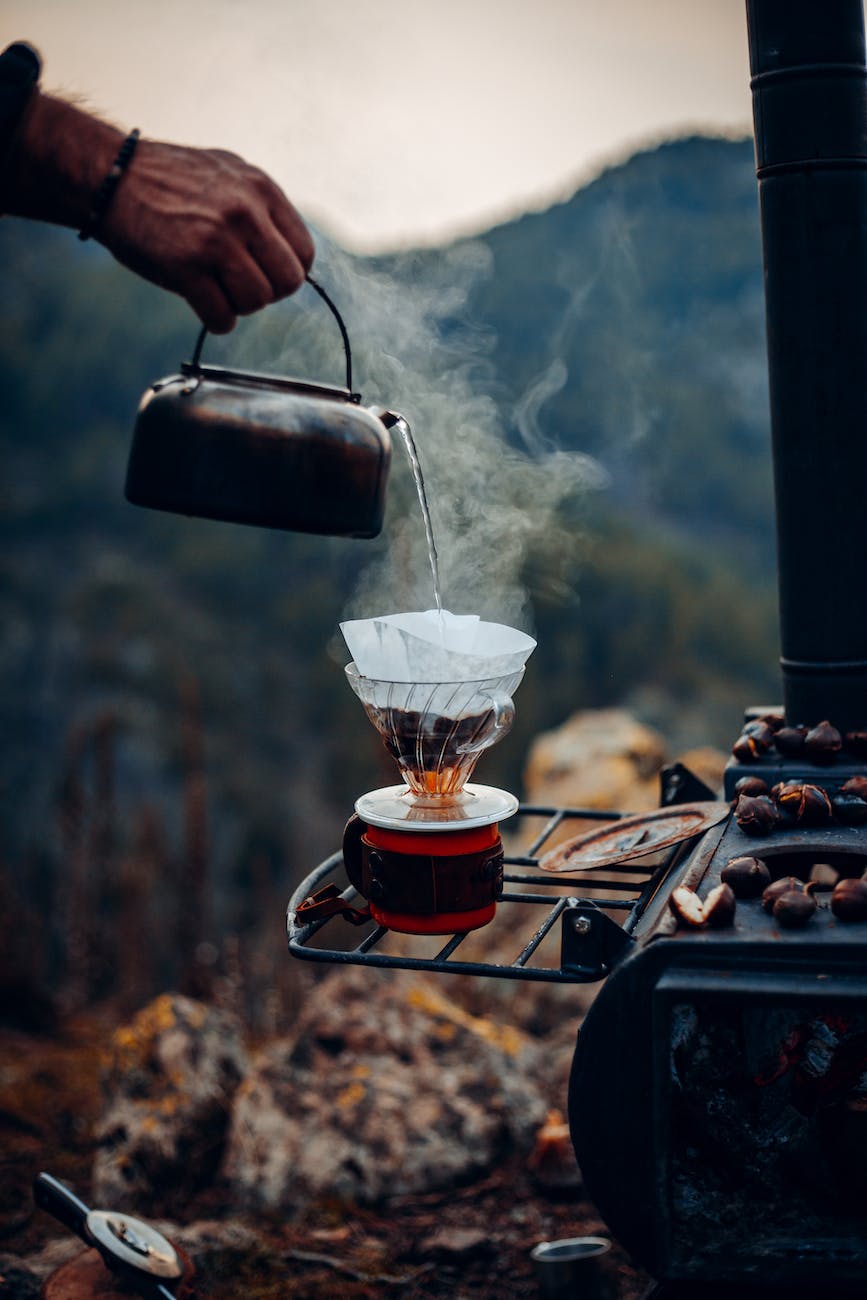
Pour-over brewing is revered by coffee aficionados for its precision and ability to highlight the nuanced flavors of the beans. The recommended coffee-to-water ratio for pour-over brewing is usually 1:16. In other words, you would use 1 ounce (28 grams) of coffee for every 16 ounces (473 milliliters) of water. This ratio allows for a clean and well-balanced cup with delicate flavors.
Tips for Achieving the Perfect Cup
Brewing the perfect cup of coffee is an art form that requires attention to detail. Here are some expert tips to help you achieve exceptional results:
- Use freshly roasted coffee beans: Freshly roasted beans have more pronounced flavors and aromas, resulting in a superior cup of coffee.
- Grind your coffee beans correctly: The grind size plays a crucial role in extraction. Adjust the grind based on your brewing method to achieve optimal results.
- Invest in a kitchen scale: Measuring your coffee and water using a scale ensures consistency and accuracy in your brew.
- Experiment with ratios: While there are recommended ratios, don’t be afraid to experiment and find the ratio that suits your taste preferences best.
- Control your brewing time: Over-extraction can lead to bitterness, so monitor your brewing time closely and adjust as needed.
- Use filtered water: High-quality water free from impurities enhances the flavors of your coffee.
FAQs (Frequently Asked Questions)
Q: How much coffee should I use per cup of water for cold brew?
A: Cold brew requires a higher coffee-to-water ratio due to the extended steeping time. A general guideline is to use 1 ounce (28 grams) of coffee for every 8 ounces (237 milliliters) of water.
Q: Can I use less coffee for a milder taste?
A: Yes, if you prefer a milder taste, you can reduce the amount of coffee used while maintaining the same ratio. However, keep in mind that it may result in a weaker brew.
Q: Does the type of coffee bean affect the ratio?
A: The coffee-to-water ratio remains relatively consistent regardless of the type of coffee bean used. However, different beans may have varying flavor profiles, so feel free to experiment and adjust the ratio based on your bean of choice.
Q: Can I use a coffee maker with pre-measured pods?
A: Coffee maker pods are often pre-measured for a specific cup size, so there’s no need to worry about the ratio. Simply follow the instructions provided with the pods.
Q: What if my coffee tastes too weak or too strong?
A: Adjusting the coffee-to-water ratio is the key to addressing this issue. Increase the amount of coffee for a stronger brew or reduce it for a milder taste.
Q: Does altitude affect the brewing process?
A: Yes, higher altitudes can impact the brewing process due to changes in boiling points. Adjusting the water temperature or brewing time might be necessary to compensate for altitude differences.
Conclusion
Brewing a perfect cup of coffee is a delightful experience that can be achieved by understanding the coffee-to-water ratio. By experimenting with different ratios and brewing methods, you can unlock the true potential of your coffee beans and savor the rich flavors in every cup. Remember to start with the recommended ratios as a baseline and make adjustments according to your taste preferences. With practice and attention to detail, you’ll soon become a master at brewing the perfect cup of coffee.




 Perk and Plate
Leave a comment