Introduction
Coffee is a beloved beverage enjoyed by millions of people around the world. Its rich aroma and bold flavors make it a favorite morning pick-me-up or a comforting drink to savor during a leisurely afternoon. However, just like any other food product, coffee beans have a shelf life, and consuming stale or bad coffee can ruin your coffee-drinking experience. In this article, we will delve into the topic of how to tell when coffee beans are bad. We will explore various signs and indicators that can help you identify whether your coffee beans are past their prime. So, grab a fresh cup of joe and let’s dive in!
How to Tell When Coffee Beans Are Bad
Coffee beans, like any organic matter, are prone to degradation over time. To ensure that you always enjoy the best coffee experience, it’s crucial to be able to identify when your coffee beans have gone bad. Here are some key indicators to look out for:
1. Appearance
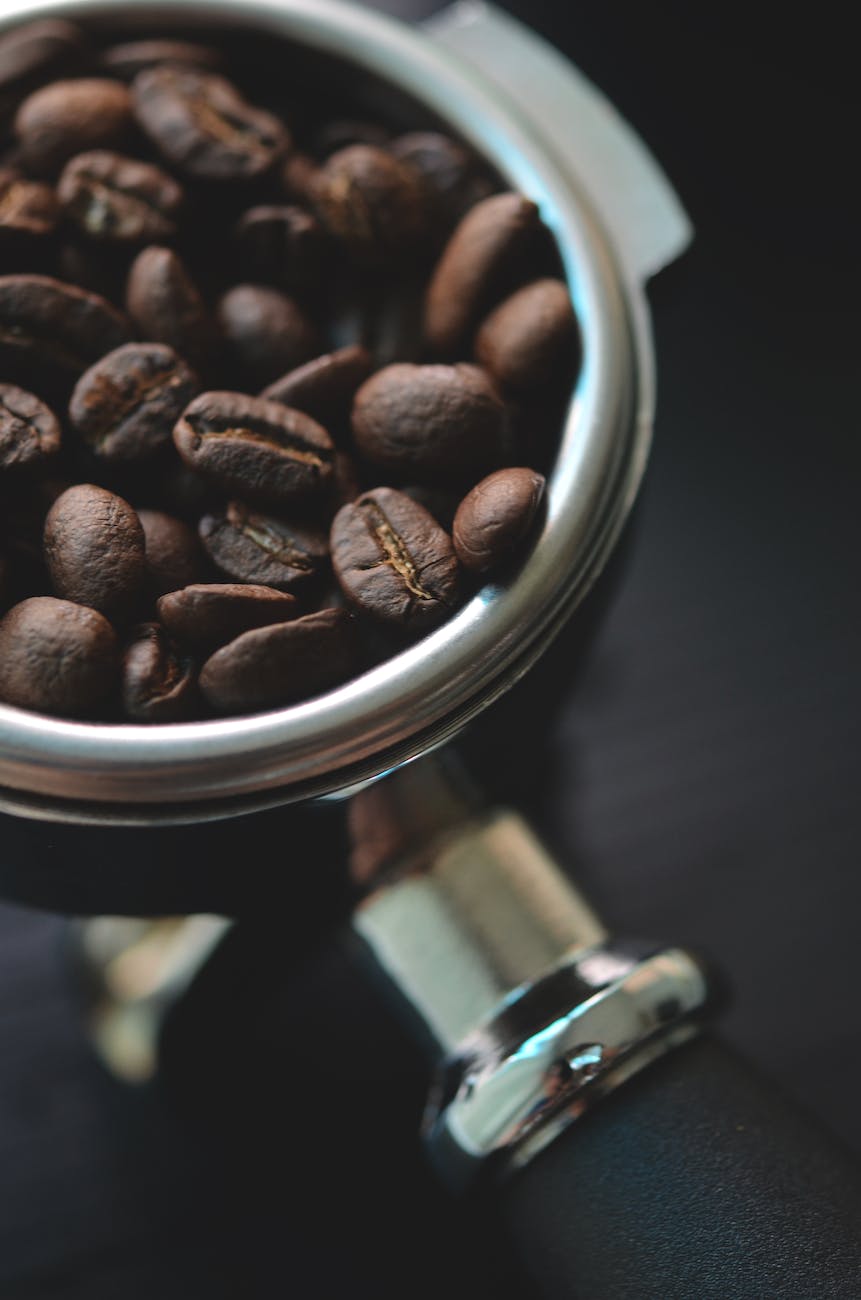
One of the easiest ways to assess the quality of your coffee beans is by examining their appearance. Fresh coffee beans are usually shiny and have a rich, dark color. They appear oily on the surface, which is a sign of the flavorful oils they contain. However, when coffee beans go bad, they lose their luster and become dull and dry. If you notice a significant change in the appearance of your coffee beans, it may be an indication that they are past their prime.
2. Aroma
The aroma of coffee is one of its most enticing qualities. Freshly roasted coffee beans emit a delightful and robust fragrance that can instantly awaken your senses. On the other hand, stale or bad coffee beans have a noticeably different smell. They may have a musty or rancid odor, indicating that they have undergone oxidation or have been exposed to moisture. If your coffee beans give off an unpleasant scent, it’s a clear sign that they are no longer fresh.
3. Taste
The taste of coffee is the ultimate test of its quality. When coffee beans are bad, they produce a subpar brew with a lackluster flavor profile. Stale coffee often tastes flat, dull, and even slightly bitter or sour. If your coffee lacks the usual depth and richness, it’s likely that your beans have gone bad. It’s important to note that taste can vary depending on personal preferences, so trust your palate when determining if your coffee beans are still good to use.
4. Texture
The texture of coffee beans can also provide valuable insight into their freshness. Good-quality coffee beans are firm and have a slightly oily or greasy feel when touched. If you notice that your coffee beans have become dry, brittle, or crumbly, it’s a sign that they have lost their moisture content and are no longer at their best. Freshly roasted coffee beans should be resilient and have a slight bounce when pressed.
5. Expiration Date
Many coffee manufacturers and roasters include an expiration date on their packaging. This date indicates the estimated period during which the coffee beans will maintain their optimal flavor and freshness. While it’s not a foolproof method to determine if your coffee beans are bad, it can serve as a helpful guideline. If your coffee beans have exceeded the expiration date, there is a higher likelihood that they have gone stale and may not deliver the best taste experience.
FAQs about Bad Coffee Beans
Q: Can you still drink coffee made from bad beans?
A: While it’s generally safe to consume coffee made from bad beans, the taste will be compromised. Stale or bad coffee beans can result in a subpar brew with an unpleasant flavor profile. If possible, it’s best to avoid using bad coffee beans to ensure a satisfying coffee experience.
Q: How long do coffee beans stay fresh?
A: The freshness of coffee beans varies depending on factors such as the roast level, packaging, and storage conditions. In general, whole coffee beans can stay fresh for about 2 to 4 weeks after the roast date. However, it’s important to note that the flavors and aromas of coffee are at their peak within the first few days after roasting.
Q: Can you extend the shelf life of coffee beans?
A: While you can’t halt the natural aging process of coffee beans, you can take steps to extend their shelf life. Proper storage is crucial. Keep your coffee beans in an airtight container in a cool, dark place, away from direct sunlight, heat, moisture, and strong odors. Avoid storing them in the refrigerator, as the moisture and odors can negatively impact the beans’ quality.
Q: Are there any health risks associated with consuming bad coffee beans?
A: Consuming coffee made from bad beans is generally safe, but it may result in a less enjoyable coffee experience. However, if the coffee beans have developed mold or any other visible signs of spoilage, it’s best to discard them to avoid any potential health risks.
Q: Can bad coffee beans make you sick?
A: While it’s unlikely that bad coffee beans will make you sick, they can cause gastrointestinal discomfort or an upset stomach due to the altered flavor and quality. It’s always advisable to brew coffee with fresh, high-quality beans to ensure the best taste and minimize any potential discomfort.
Q: Are there any alternative uses for bad coffee beans?
A: If your coffee beans have gone bad, there are alternative uses for them. You can use them as a natural deodorizer, exfoliator for your skin, or even as a fertilizer for plants. However, it’s essential to ensure that the coffee beans are free from mold or other signs of spoilage before using them for any purpose.
Conclusion
Being able to identify when coffee beans have gone bad is crucial for maintaining a delightful coffee-drinking experience. By paying attention to the appearance, aroma, taste, texture, and expiration date of your coffee beans, you can ensure that you always enjoy a fresh and flavorful cup of coffee. Remember to store your beans properly and consume them within a reasonable time frame to maximize their freshness. And now that you know the telltale signs of bad coffee beans, you can confidently brew your way to coffee perfection every time!




 Perk and Plate
Leave a comment