
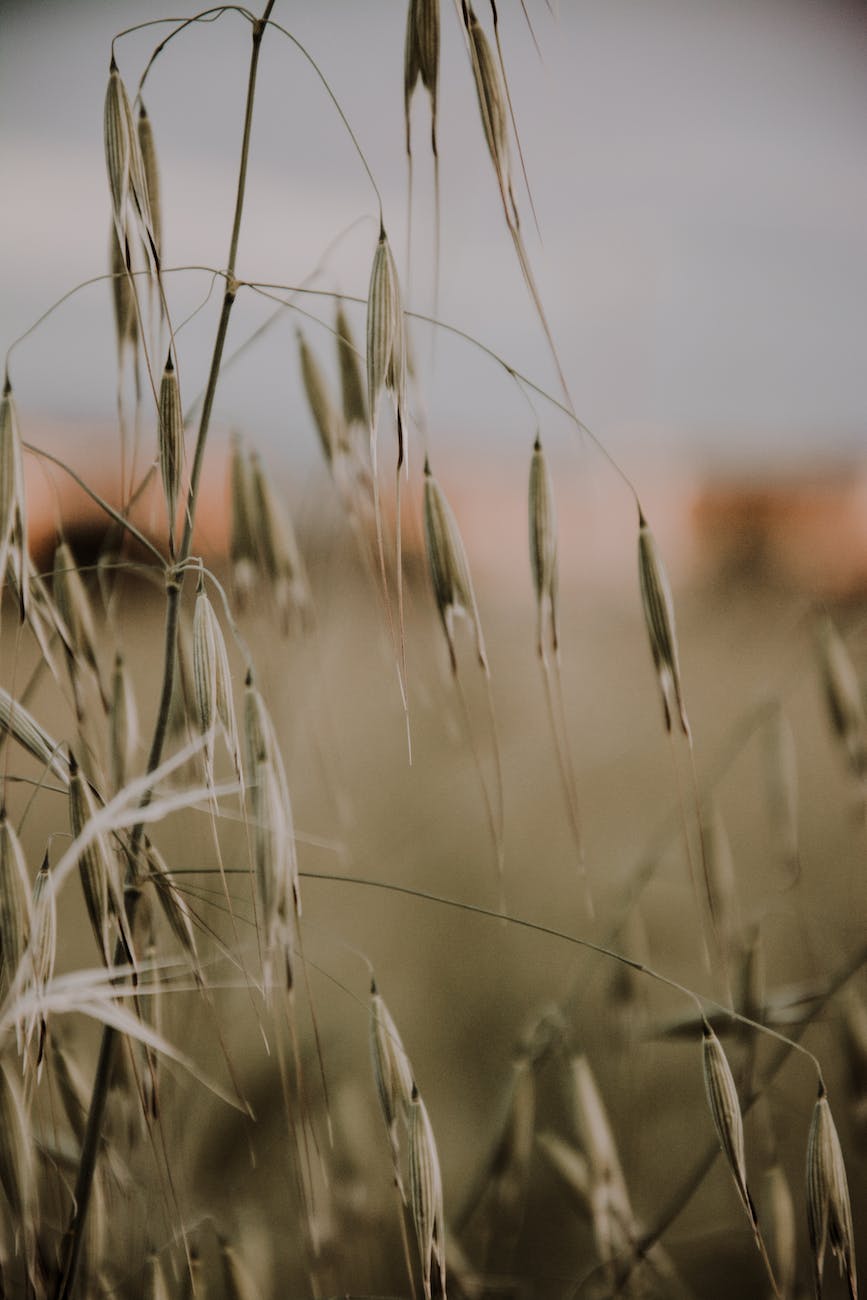
Introduction
Oats, a popular and nutritious grain, have become a staple in many households around the world. They are versatile ingredient, commonly used in breakfast cereals, granola bars, and even skincare products. But have you ever wondered where oats originated from? In this article, we will explore the fascinating history and journey of oats, tracing their roots back to ancient times and their eventual spread to different regions. So, let’s dive in and uncover the origins of this remarkable grain.
What are Oats?
Oats, scientifically known as Avena sativa, belong to the cereal grain family and are widely cultivated for their edible seeds. These seeds, commonly referred to as oat groats, are processed to create various oat products such as rolled oats, steel-cut oats, and oat flour. The cultivation and use of oats can be traced back thousands of years, making them one of the oldest domesticated grains.
The Ancient Beginnings
Origins in Europe and Asia
The origins of oats can be traced back to ancient civilizations in Europe and Asia. Archaeological evidence suggests that oats were first cultivated in the Fertile Crescent region, which includes present-day Iran and parts of Iraq and Turkey. The wild ancestor of oats, known as the wild red oat (Avena sterilis), was gradually domesticated by ancient farmers in this region, who recognized its nutritional value and versatility.
Oats in Ancient Egypt
Historical records indicate that oats were also cultivated in ancient Egypt, dating back to around 2000 BCE. The Egyptians primarily used oats for medicinal purposes, recognizing their potential in treating various ailments. Additionally, oats were occasionally used in religious ceremonies and as offerings to the gods.
Oats in Europe and the Middle Ages
As trade and exploration flourished, oats found their way to Europe during the Bronze Age. However, it was during the Middle Ages that oats gained widespread popularity as a staple food, particularly in Scotland, where they thrived in the cool, wet climate. Scottish cuisine, in particular, incorporated oats into various traditional dishes, including porridge and oatcakes.
The Oats Journey to America
Oats were introduced to the Americas by European settlers. Initially, oats were primarily cultivated in Northern regions with climates suitable for their growth, such as Canada and parts of the United States. Over time, the cultivation of oats spread to other regions, making them a significant crop in North America.
Modern Cultivation and Varieties
Today, oats are grown in numerous countries around the world, with Russia, Canada, and the United States being the leading producers. There are several varieties of oats, each with unique characteristics and uses. The most common types include rolled oats, steel-cut oats, instant oats, and oat flour. Rolled oats are widely used for making oatmeal, while steel-cut oats are known for their nutty texture and are often used in savory dishes.
Health Benefits of Oats
Nutritional Profile of Oats
Oats are a nutrient-rich grain, packed with essential vitamins, minerals, and dietary fiber. They are an excellent source of complex carbohydrates, providing a sustained release of energy throughout the day. Oats also contain important nutrients like iron, magnesium, and B-vitamins.
Heart Health and Cholesterol
Several studies have highlighted the positive impact of oats on heart health. The soluble fiber in oats, known as beta-glucan, has been shown to help reduce LDL cholesterol levels, thus lowering the risk of heart disease.
Digestive Health
Oats are beneficial for digestive health due to their high fiber content. The insoluble fiber adds bulk to stools, promoting regular bowel movements and preventing constipation.
Weight Management
Incorporating oats into a balanced diet can aid in weight management. The fiber in oats provides a feeling of fullness, reducing overall calorie intake and promoting weight loss.
Cooking with Oats
Traditional Oatmeal Recipes
Oatmeal is a classic breakfast choice, and there are countless ways to prepare it. Whether it’s a simple bowl of oatmeal with honey and fruits or a hearty oatmeal bake, the options are endless.
Oats in Baking
Oats can elevate the nutritional value of baked goods. They can be added to cookies, muffins, and bread to increase fiber content and add a delightful texture.
Oats in Smoothies
For those seeking a quick and nutritious smoothie, oats can be a great addition. They provide thickness and a boost of nutrients to any smoothie recipe.
Oats in Popular Culture
Oats in Literature
Throughout history, oats have appeared in literature as symbols of nourishment, sustenance, and prosperity. They have been featured in poems, novels, and folktales, often embodying the idea of simplicity and wholesomeness.
Oats in Folklore
In various cultures, oats have been associated with superstitions and folklore. In some regions, oats were believed to have protective properties and were used in rituals to ward off negative energies.
Sustainability and Environmental Impact
The cultivation of oats is generally considered environmentally friendly. Oats require minimal pesticide use compared to other crops, and they can thrive in diverse climates, reducing the need for extensive irrigation. Additionally, oats are often used as a rotational crop, contributing to soil health and biodiversity.
Conclusion
In conclusion, oats have a rich history that spans thousands of years, originating in Europe and Asia before becoming a global crop. From ancient civilizations to modern-day kitchens, oats have been cherished for their nutritional benefits and culinary versatility. Whether enjoyed as a comforting bowl of oatmeal or incorporated into baked goods, oats continue to hold a special place in the hearts of people worldwide.
FAQs (Frequently Asked Questions)
Are oats gluten-free?
No, oats are not inherently gluten-free. While oats themselves do not contain gluten, they are often cross-contaminated with gluten-containing grains during processing. People with gluten sensitivity or celiac disease should look for certified gluten-free oats.
Can oats help lower cholesterol?
Yes, oats can help lower cholesterol levels due to their high beta-glucan content. Regular consumption of oats has been associated with reducing LDL cholesterol, which is beneficial for heart health.
How should I store oats to keep them fresh?
To keep oats fresh, store them in an airtight container in a cool, dry place. Avoid exposure to moisture and sunlight, as this can affect their shelf life.
Can oats be beneficial for skin health?
Yes, oats have soothing properties and can be used to alleviate skin irritation and inflammation. Oat baths and oat-based skincare products are often recommended for individuals with sensitive skin.
What are steel-cut oats, and how are they different from rolled oats?
Steel-cut oats are oat groats that have been chopped into small pieces, whereas rolled oats are oat groats that have been steamed and flattened. Steel-cut oats have a chewier texture compared to the softer, smoother consistency of rolled oats.







 Perk and Plate
Leave a comment