
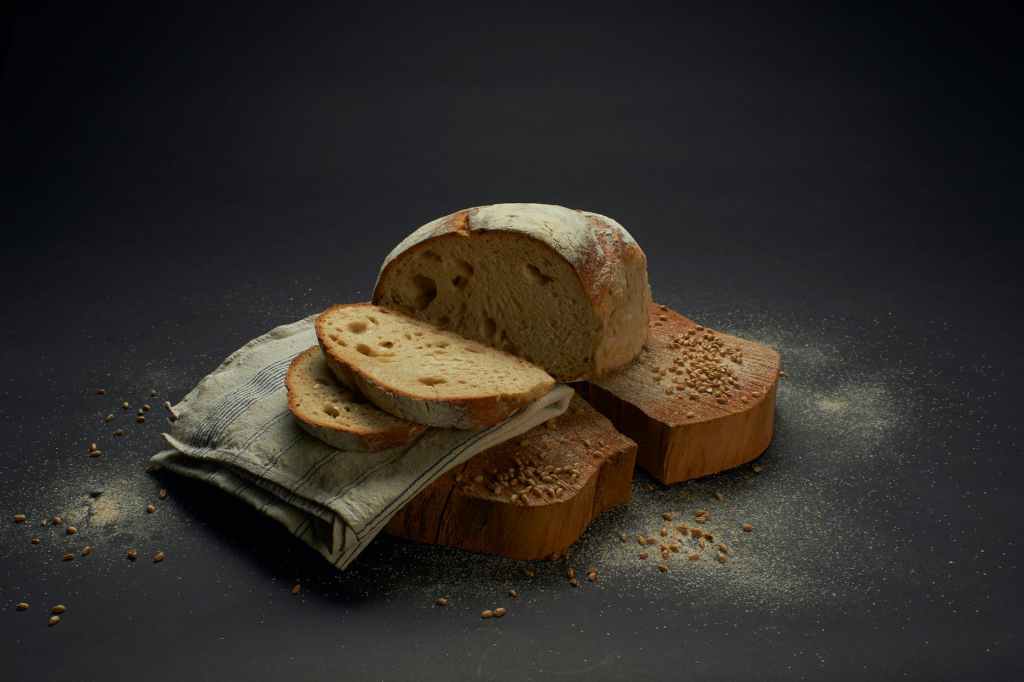
Bread, one of the most beloved and widely consumed food items around the globe, has a history that stretches back thousands of years. The bread’s origins are as rich and diverse as the bread itself. From ancient flatbreads to the modern loaves we enjoy today, the journey of breadmaking is a testament to human innovation and cultural exchange.
The Ancient Origins of Bread
Early Discoveries of Bread-like Substances
The roots of breadmaking can be traced to prehistoric times. Archaeological evidence suggests that early humans experimented with grinding grains and mixing them with water to create rudimentary flatbreads. These simple bread-like substances provided sustenance and laid the foundation for the art of baking.
Evolution of Bread Making
Over time, the process of breadmaking evolved as civilizations advanced. The discovery of leavening agents, such as wild yeast and sourdough, revolutionized bread production, giving rise to lighter and more palatable loaves.
Ancient Egyptian Bread
Among the early civilizations, ancient Egypt holds a special place in bread history. Egyptians developed elaborate bread recipes and techniques, including using different types of grains and baking in enclosed ovens. Bread in ancient Egypt had both practical and symbolic significance, often associated with deities and the afterlife.
Bread in Ancient Civilizations
Mesopotamia and Sourdough
Moving further back in time, the Mesopotamians played a significant role in the evolution of breadmaking. They were one of the first to master the art of sourdough fermentation, a process that involves capturing wild yeast from the environment. Sourdough bread became a staple in many ancient civilizations.
Greek Bread and Rituals
In ancient Greece, bread held cultural importance, and different types of bread were offered to the gods in religious ceremonies. The Greeks had various bread varieties, some of which were sweetened with honey or enriched with nuts and fruits.
Roman Influence on Bread
The ancient Romans inherited their breadmaking techniques from the Greeks. They further improved the art by establishing bakeries and introducing mechanized milling, which made bread more accessible to the masses.
Medieval Bread
Bread as a Staple Food
During the Middle Ages, bread became a dietary staple for people of all social classes. It was considered the foundation of every meal, and bakers took great pride in their craft.
Bread Shapes and Symbolism
Medieval bakers often shaped their loaves into intricate designs and stamped them with unique marks. These shapes and markings were not only decorative but also served as a way to identify the source of the bread and prevent fraud.
Bakers Guilds and Regulations
Medieval Europe saw the rise of bakers’ guilds, which controlled the production and distribution of bread. They set quality standards and fixed prices to ensure fair trade.
Asian Bread Traditions
Indian Naan and Roti
In Asia, bread has a diverse array of forms. Indian cuisine, for example, boasts naan and roti, unleavened bread made from wheat or other grains. These bread types are an essential part of Indian meals and are often enjoyed with a variety of curries and accompaniments.
Chinese Mantou and Baozi
China has a rich history of breadmaking as well. Mantou, a plain steamed bun, and baozi, a filled steamed bun, have been enjoyed for centuries and remain popular choices in Chinese cuisine.
Japanese Rice Bread
Japan has a unique bread culture, and rice-based bread is a prominent feature. Soft, fluffy rice bread is a favorite among the Japanese population.
Bread in the New World
Native American Cornbread
When Europeans arrived in the Americas, they encountered the Native Americans’ corn-based bread, known as cornbread. This simple yet hearty bread became an integral part of American culinary heritage.
European Influence on American Bread
As European settlers established colonies in the New World, they brought their breadmaking traditions with them. The diverse cultural exchange shaped the bread landscape in America.
Modern Bread Making
Industrial Revolution and Bread
The Industrial Revolution marked a turning point in bread production. Mass production techniques and refined flours made bread more accessible, but also led to a decline in the nutritional value of some bread types.
The White Bread Trend
During the 20th century, white bread gained popularity due to its longer shelf life and softer texture. However, concerns about its nutritional value soon arose.
Return to Artisanal Bread
In recent years, there has been a resurgence of interest in artisanal bread made from high-quality, locally sourced ingredients. Artisanal bakeries focus on traditional methods and unique flavor profiles.
The Nutritional Significance of Bread
Basic Nutritional Content
Bread, as a staple food, provides essential nutrients such as carbohydrates, proteins, and fiber. It is a valuable source of energy for the body.
Whole Grain vs. Refined Bread
The debate between whole grain and refined bread continues. Whole grain bread retains more nutrients and fiber, while refined bread is softer and has a longer shelf life.
Gluten and Health Concerns
Gluten, a protein found in wheat and some other grains, has been a topic of health discussions. Some individuals may have gluten sensitivity or celiac disease, requiring gluten-free bread alternatives.
The Global Bread Landscape
Regional Bread Varieties
Around the world, diverse cultures have developed unique bread varieties. From French baguettes to Ethiopian injera, each bread type reflects its cultural heritage.
Bread as Cultural Heritage
Breadmaking traditions are often passed down through generations, becoming an integral part of a community’s cultural heritage and identity.
Conclusion
From the ancient flatbreads of prehistoric times to the artisanal loaves of today, the history of bread is a remarkable journey of human ingenuity and cultural exchange. Bread has not only provided sustenance but has also held significant cultural, religious, and social importance throughout history.
Get Access Now: https://bit.ly/J_Umma
FAQs
- What is the oldest known bread recipe? The oldest known bread recipe dates back to ancient Egypt and involves mixing barley flour with water and baking it in a clay oven.
- Did ancient civilizations use leavening agents for bread? Yes, ancient civilizations like the Mesopotamians and Egyptians used leavening agents such as wild yeast and sourdough to make lighter and tastier bread.
- How did breadmaking change during the Industrial Revolution? The Industrial Revolution introduced mass production techniques, mechanized milling, and refined flour, making bread more readily available and affecting its nutritional value.
- Is whole-grain bread healthier than refined bread? Yes, whole grain bread contains more nutrients and fiber, making it a healthier choice compared to refined bread.
- What role does bread play in different cultures? Bread plays a significant role in different cultures, from being a symbol of sustenance and hospitality to being an essential part of religious ceremonies and rituals.







 Perk and Plate
Leave a comment