Introduction:
Welcome to the tantalizing world of American Pale Ales, often referred to as APA. This popular beer style has garnered a devoted following due to its balanced taste and versatility. From its inception to the modern craft beer movement, the American Pale Ale has made an indelible mark on the beer landscape. In this article, we’ll delve into the rich history, brewing techniques, flavor characteristics, and more, providing both beer aficionados and newcomers with a deep understanding of this iconic style.
American Pale Ale: A Brief Overview
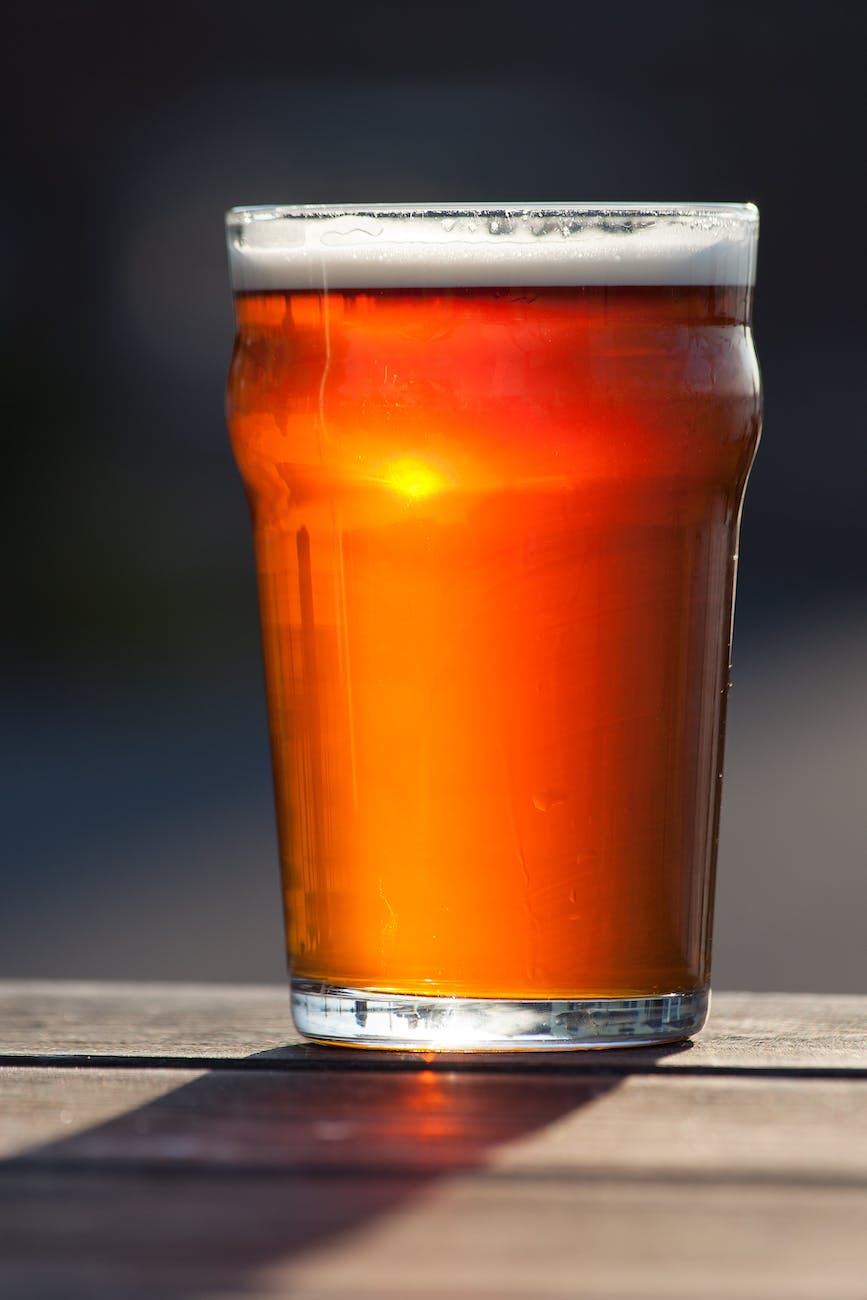
Before we dive into the nuances of American Pale Ale, let’s understand what defines this captivating beer style. An APA is characterized by its moderate alcohol content, balanced malt and hop flavors, and a distinctive amber to light-copper color. It’s renowned for its hop-forward profile, which imparts refreshing bitterness and aromatic citrus and floral notes. The interplay of malt sweetness and hop bitterness creates a harmonious drinking experience that appeals to a wide range of palates.
The Brewing Process: Crafting Perfection
Brewing a flawless American Pale Ale requires a keen understanding of ingredients, timing, and technique. Here’s a step-by-step breakdown of the brewing process:
1. Malted Barley Selection:
The foundation of any beer lies in its malted barley. Brewers often choose pale malt as the base, providing a neutral canvas for hop expression.
2. Mashing:
During mashing, crushed malt is mixed with hot water to extract fermentable sugars. The resulting liquid, known as wort, forms the basis of the beer’s flavor and body.
3. Hopping:
A hallmark of APAs is their hops. These flowers are added during various stages of the boil, contributing bitterness, flavor, and aroma. Popular hop varieties like Cascade and Citra are frequently used.
4. Fermentation:
Yeast is introduced to the cooled wort, kickstarting fermentation. This process converts sugars into alcohol and carbon dioxide, creating the beer’s distinctive flavors and aromas.
5. Dry Hopping:
Some brewers opt for dry hopping, which involves adding hops to the fermenter after primary fermentation. This imparts intense hop aroma without increasing bitterness.
6. Packaging:
Once fermentation is complete, the beer is carefully filtered, carbonated, and packaged in bottles, cans, or kegs, ready to delight enthusiasts.
Flavor Profile: A Symphony of Tastes
The flavor profile of an American Pale Ale is a delightful orchestra of sensations. Expect a balanced combination of:
- Maltiness: Subtle sweetness from the malt provides a sturdy backbone.
- Hop Bitterness: A refreshing bitterness that tingles the taste buds.
- Citrus Notes: Zesty flavors of grapefruit, orange, or lemon.
- Floral Aromas: Fragrant floral scents that enhance the drinking experience.
- Caramel Undertones: Hints of caramel or toffee, contributing complexity.
American Pale Ale: Pairing Possibilities
Pairing an APA with the right dish can elevate both the beer and the culinary experience. Here are some delightful pairings to consider:
- Spicy Foods: The hop bitterness cuts through the heat, creating a harmonious balance.
- Grilled Meats: The malt sweetness complements the charred flavors.
- Salty Snacks: The bitterness accentuates savory notes.
- Creamy Cheeses: The hoppy bitterness contrasts beautifully with rich, creamy textures.
FAQs About American Pale Ale:
Q: What’s the key difference between American Pale Ales and India Pale Ales (IPAs)? A: While both styles emphasize hoppy flavors, IPAs generally have higher alcohol content and a more pronounced hop bitterness.
Q: Can I age American Pale Ales? A: APAs are best enjoyed fresh to fully appreciate their hop aromas. Unlike some beer styles, they don’t typically improve with age.
Q: Are there variations within the American Pale Ale style? A: Absolutely! Some APAs lean towards a more citrusy profile, while others may emphasize piney or earthy hop characteristics.
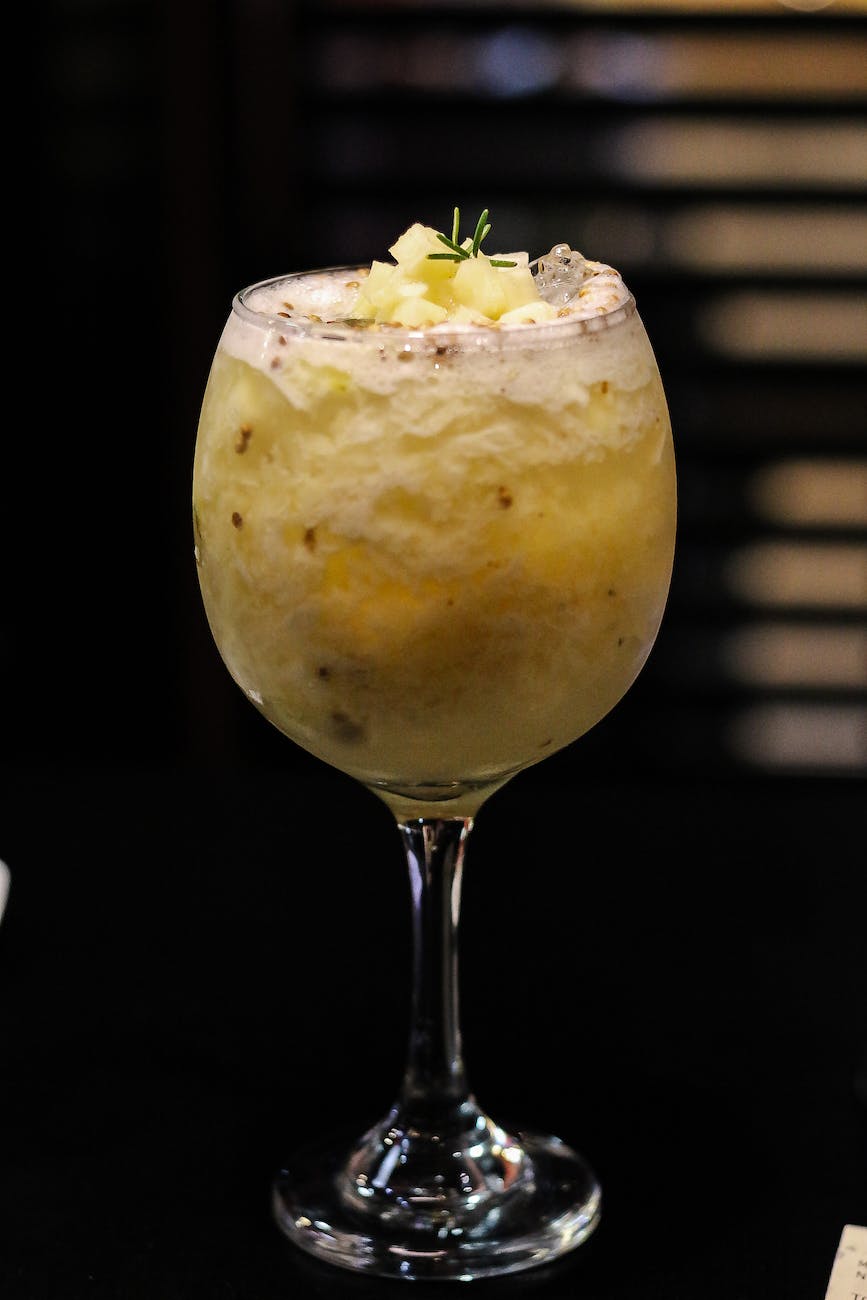
Q: What glassware should I use for serving APAs? A: Opt for a pint glass or a tulip-shaped glass to capture the beer’s aroma and showcase its color.
Q: Can I brew my own American Pale Ale at home? A: Definitely! Homebrewing APAs can be a rewarding experience. There are numerous recipes and kits available for aspiring brewers.
Q: Are there any famous American Pale Ales to look out for? A: Certainly! Sierra Nevada Pale Ale and Dale’s Pale Ale are renowned examples that have played a pivotal role in popularizing the style.
Conclusion: Cheers to Exploration and Flavor
In conclusion, the American Pale Ale stands as a testament to the creativity and craftsmanship of brewers worldwide. Its harmonious blend of malt and hop flavors, coupled with its approachable bitterness, makes it a favorite among beer enthusiasts. Whether you’re sipping by the campfire, enjoying a BBQ, or simply unwinding after a long day, the APA offers a refreshing and flavorful journey for your taste buds. So, why not raise a glass to the versatility and brilliance of the American Pale Ale? Cheers!


 Perk and Plate
Leave a comment