Imperial Stout beers have carved their niche in the world of craft brewing, enchanting enthusiasts with their deep flavors and bold characteristics. This guide takes you on a journey through the captivating world of imperial stout, unraveling its origins, brewing methods, serving recommendations, and more. If you’re a beer aficionado or simply curious about this robust style, grab your favorite glass, and let’s delve into the enchanting world of the imperial stout.
Introduction: The Majesty of Imperial Stout
Imperial stout is a beer style renowned for its abundant flavors, dark appearance, and higher alcohol content. With roots dating back to 18th century England, it was originally brewed for export to the Russian court, hence the name “imperial.” Over time, this style evolved, embracing various brewing techniques and ingredients to create a diverse range of imperial stouts. Today, it stands as a symbol of craftsmanship and innovation within the world of brewing.
The Brewing Process: Crafting Excellence
Crafting an imperial stout is a labor of love that involves meticulous attention to detail. Brewers combine a variety of malts, including roasted barley and chocolate malts, to achieve the beer’s deep color and rich flavors. The brewing process includes mashing, boiling, fermentation, and aging. The high alcohol content often results from using more malt and sugars during the brewing process, contributing to the beer’s distinct warming sensation.
Flavor Profile: Decoding the Complexity
Imperial stouts boast a complex flavor profile that often includes notes of dark chocolate, roasted coffee, caramel, toffee, and sometimes even dark fruits. These flavors harmonize to create a symphony of taste that dances across the palate. The bitterness from hops provides a balanced contrast to the beer’s sweet and toasty qualities, making each sip an experience to savor.
Types of Imperial Stout: From Classic to Creative
- Russian Imperial Stout: This is the original style that started it all. It features a robust malt profile with bold flavors of roasted coffee, dark chocolate, and a hint of licorice.
- Imperial Milk Stout: Adding lactose, a type of sugar derived from milk, creates a sweeter and creamier version of the classic stout, offering a dessert-like experience.
- Barrel-Aged Imperial Stout: These stouts are aged in wooden barrels, often previously used for aging spirits like bourbon or whiskey. This aging process imparts additional flavors, such as vanilla, oak, and subtle notes of the previous occupant of the barrel.
- Imperial Stout with Adjuncts: Brewers get creative by adding adjuncts like vanilla beans, cocoa nibs, chili peppers, or even fruits to infuse new dimensions of flavor.
Pairing and Serving: A Gastronomic Adventure
Pairing imperial stout with food can be a delightful adventure. Its bold and complex flavors complement a range of dishes:
- Dark Chocolate: The bitterness of dark chocolate harmonizes with the beer’s roasted notes.
- Grilled Meats: The beer’s richness balances the savory flavors of grilled meats.
- Aged Cheese: The beer’s robustness holds up well against aged and sharp cheeses.
- Desserts: Imperial stouts with sweeter profiles make for a divine pairing with desserts like chocolate cake or crème brûlée.
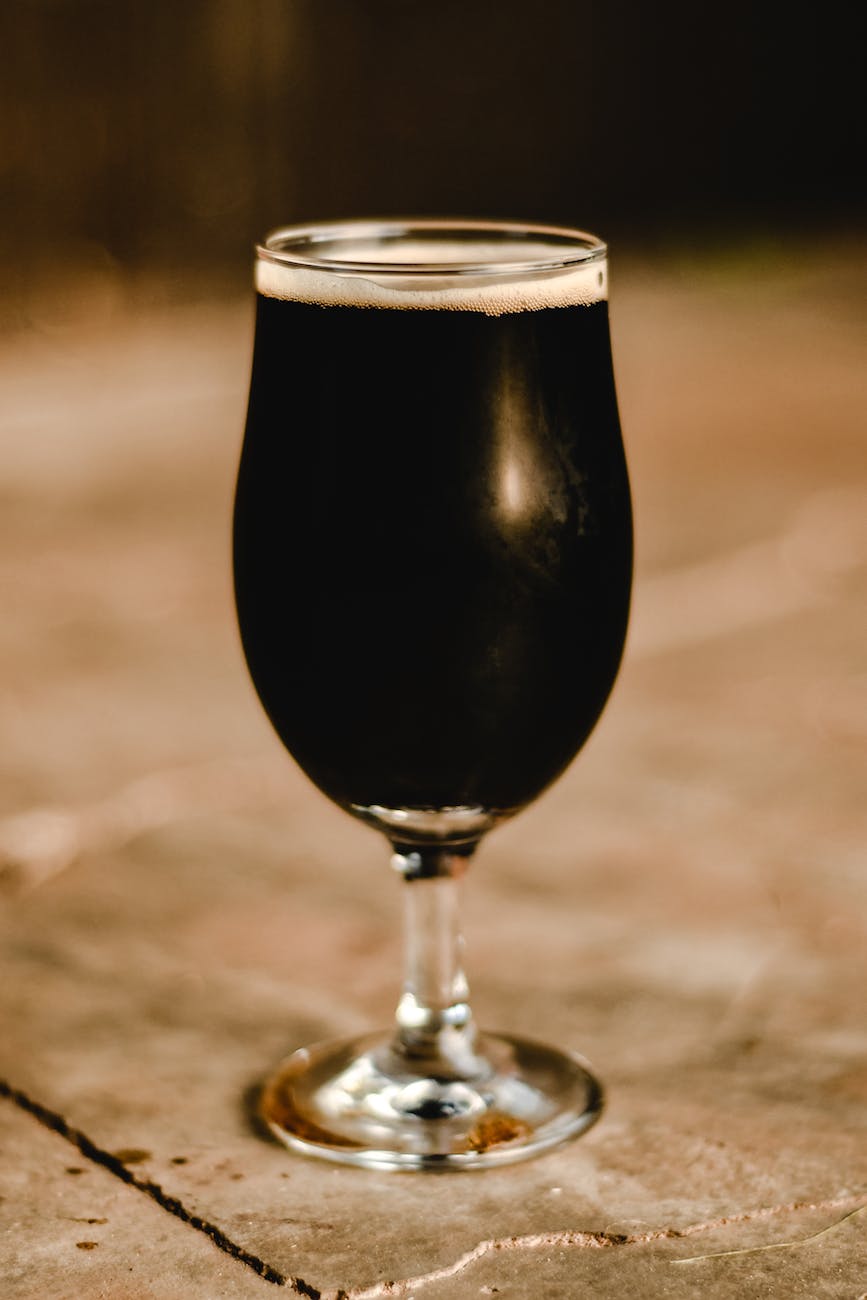
When serving imperial stout, opt for a tulip-shaped glass to concentrate the aromas. Allow it to warm slightly to appreciate its intricate flavors fully.
FAQs about Imperial Stout
Q: What is the ideal serving temperature for an imperial stout?
A: It’s best served between 50 to 55°F (10 to 13°C) to fully unlock its flavors.
Q: How long can I age an imperial stout?
A: Many imperial stouts age well, and their flavors can evolve over time. Some experts recommend aging for up to 5 years.
Q: Are there any vegetarian or vegan imperial stouts?
A: Yes, some breweries produce imperial stouts without animal-derived ingredients.
Q: Can I cellar barrel-aged imperial stouts at home?
A: Absolutely, but keep them in a cool, dark place and away from temperature fluctuations.
Q: Are there low-alcohol imperial stouts?
A: While most imperial stouts have higher alcohol content, some breweries create “session-able” versions with lower ABV.
Q: Can I enjoy imperial stout if I’m not a fan of bitter beers?
A: Certainly! Look for imperial stouts with sweeter profiles or those aged in barrels for a smoother taste.
Conclusion: Embrace the Darkness
Imperial stout stands as a testament to the artistry of brewing, offering a kaleidoscope of flavors that captivate the senses. From its regal history to its diverse variations, this beer style continues to evolve while maintaining its essence of richness and complexity. Whether you’re a seasoned beer enthusiast or a curious novice, exploring the world of imperial stout is a journey well worth embarking upon.



 Perk and Plate
Leave a comment